
Why I Source Here
Hunter’s meat is high frequency.
You guys knew it was coming, so I’m just going to come right out and say it. No cliffhanger here.
I have gone through seasons when I eat meat and seasons when I do not. 2025 was a year of fasting for me, and prior to that I had eaten very little meat. It genuinely did not agree with me. Even when I sourced organic meat from the grocery store or butcher, I often didn’t feel well after eating it. So I ate it sparingly.
Then I received a call to begin cooking for another family.
I sat down with him and he said, very clearly, “I’m a meat eater.”
I heard him.
My next question was simple: Where do I go to buy meat?
At the time, the only place I knew and trusted for beef and bones was Traders Point Creamery. When I asked where else I should go, the answer was immediate:
“WonderTree.”
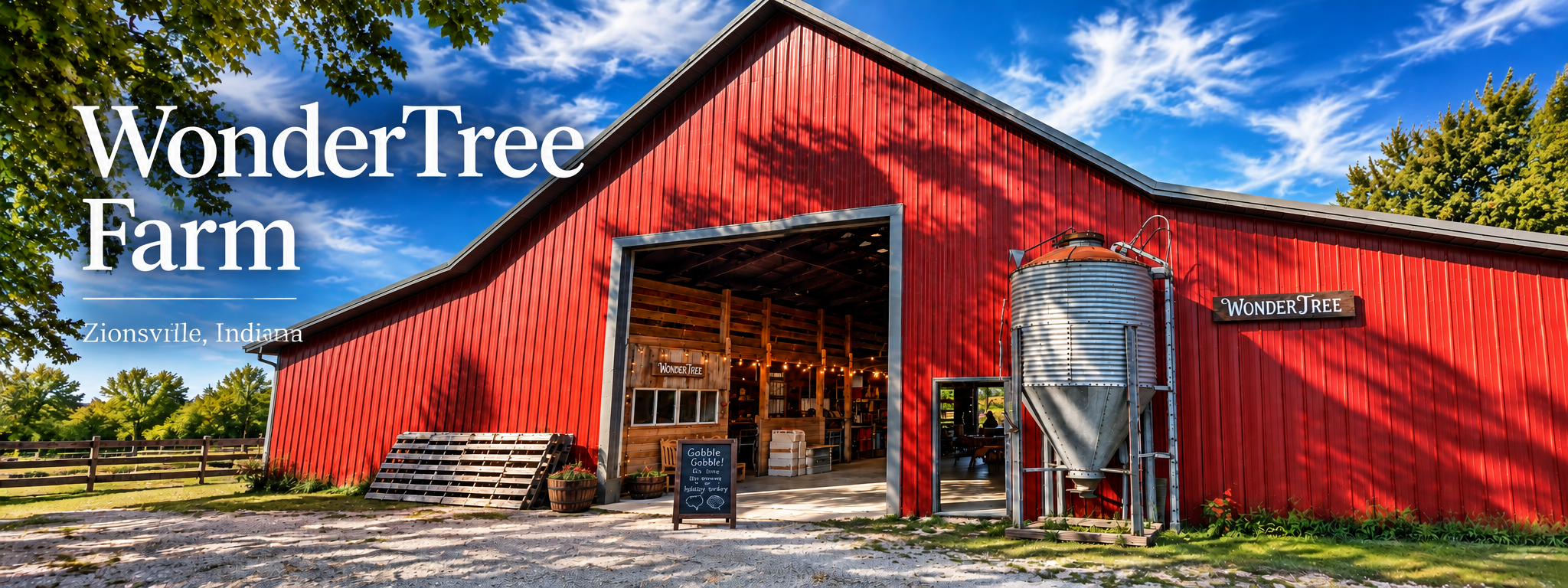
From the first time I stepped onto this land, I knew this farm felt different.
The energy here felt elevated. Spiritual in nature. At the time, that was all I knew. I was drawn to this space, so I leaned in.
This land is grounding. This food is grounding.
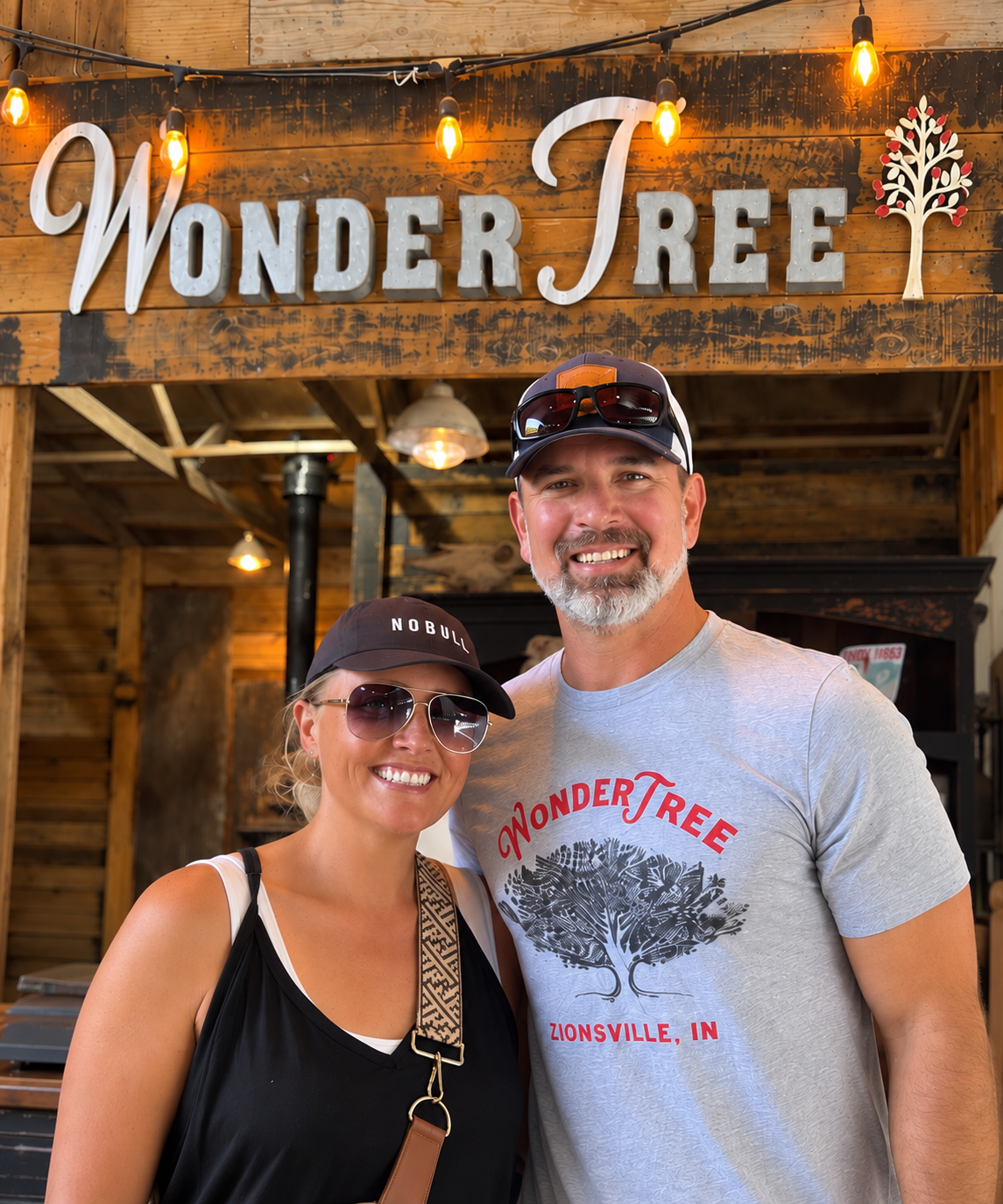
Now, a year later, I understand much more about the practices behind the food Hunter Smith provides—and I understand my own experience with it differently, too.
Today, I eat beef and chicken, and occasionally pork, every week. WonderTree has become an important part of how I nourish myself and the food I prepare for my clients. My experience with this food has been profoundly different from my experience with meat before it.
Hunter once said to me, “This is the kind of meat that you can eat every day and not die.”
I laughed. But I understood exactly what he meant.
WonderTree is now my first—and nearly sole—source for the meat I eat and the meat I prepare for my clients.
I experience places differently than most. One day, I drove past the pasture where Hunter’s cattle graze. This land is palpable. You can feel it. As I exhaled, I said out loud:
“This is free range.”
My eyes stretched toward the horizon, and there they were—his cattle grazing across the land.
There are things I can explain about why I source here: the farming practices, the way the animals are raised, the quality of the food, and my relationship with the person responsible for producing it.
And then there are the things I simply experience.
The land is blessed.
The animals are blessed.
This food is blessed.
I am deeply grateful to have WonderTree as a resource for thoughtfully raised animal foods and as part of the community from which I source.
May this farm continue to know abundance, prosperity, and joy.
About the Food
Hunter Smith takes a deeply personal interest in the way the animals he provides are raised—from the breeds he chooses, to the land they live on, to the feed they receive.
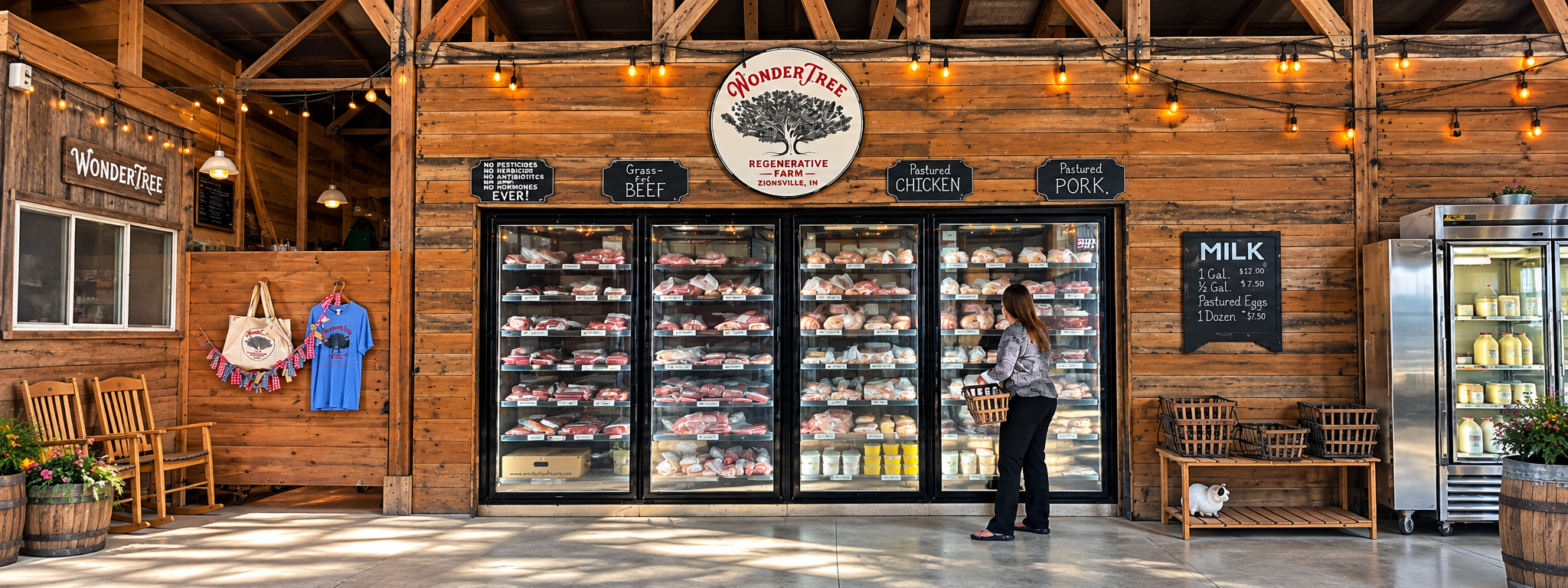
BEEF
100% Grass-Fed • 100% Grass-Finished
WonderTree's beef comes from cattle raised on pasture and fed grass from beginning to finish.
The cattle are raised on nearby land, where they have access to pasture and room to graze. This is the beef I return to again and again—for chuck roasts, steaks, ground beef, bones and the dishes I prepare in my own kitchen and for my clients.
CHICKEN
Pasture-raised. Heritage breed. Non-GMO supplemental feed.
WonderTree's chickens begin their lives right at the big red barn.
The heritage chicks arrive at WonderTree as babies and are started under lights while they are small. As they grow, they move into a neighboring pen. Once they're ready for the next stage, they're transported to nearby pasture, where they are raised beneath a large mobile chicken tractor that is moved regularly across the land.
I saw a photograph of this pasture and immediately understood why Hunter was so excited to show it to me: deep, tall, intensely green grass with chickens spread across it.
Moving the birds across pasture gives them continual access to fresh ground, where they can forage among grasses, plants, insects and the naturally occurring life of the pasture. Their diet is supplemented with a 20% protein, non-GMO feed.
Hunter also partners with a neighboring farmer to grow the soy used in that feed, which he describes as non-GMO and grown without pesticides or synthetic chemicals. The soy is roasted before feeding. Heat-processing soy is important because raw soybeans naturally contain anti-nutritional compounds, including trypsin inhibitors; proper heating reduces those compounds and improves the soybean's nutritional usefulness as feed.
PORK
Pasture-Raised • Heritage Breed
WonderTree's pigs are raised on a nearby partner farm rather than at the red barn itself.
And heritage breed means something very different from simply choosing an unusual breed.
Heritage livestock are traditional breeds with histories predating modern industrial agriculture. They were developed over generations for traits such as foraging ability, fertility, longevity, maternal instincts and the ability to thrive in outdoor or pasture-based systems.
For pork specifically, The Livestock Conservancy's definition goes further: qualifying heritage swine come from true genetic breeds with established histories and conservation significance. Heritage pork production under its definition also includes access to pasture or range, diets that permit natural omnivorous behavior, and no routine prophylactic antibiotics or administered growth promoters.
Heritage chicken has its own definition: birds come from historic American Poultry Association standard breeds, reproduce naturally, are genetically suited to long outdoor lives, and grow considerably more slowly than conventional commercial chickens—taking at least 16 weeks to reach appropriate market weight.
That slower, pasture-oriented way of raising animals is part of what makes heritage breeds particularly interesting to me. These animals weren't developed solely around the demands of modern industrial production.
How I Work with WonderTree
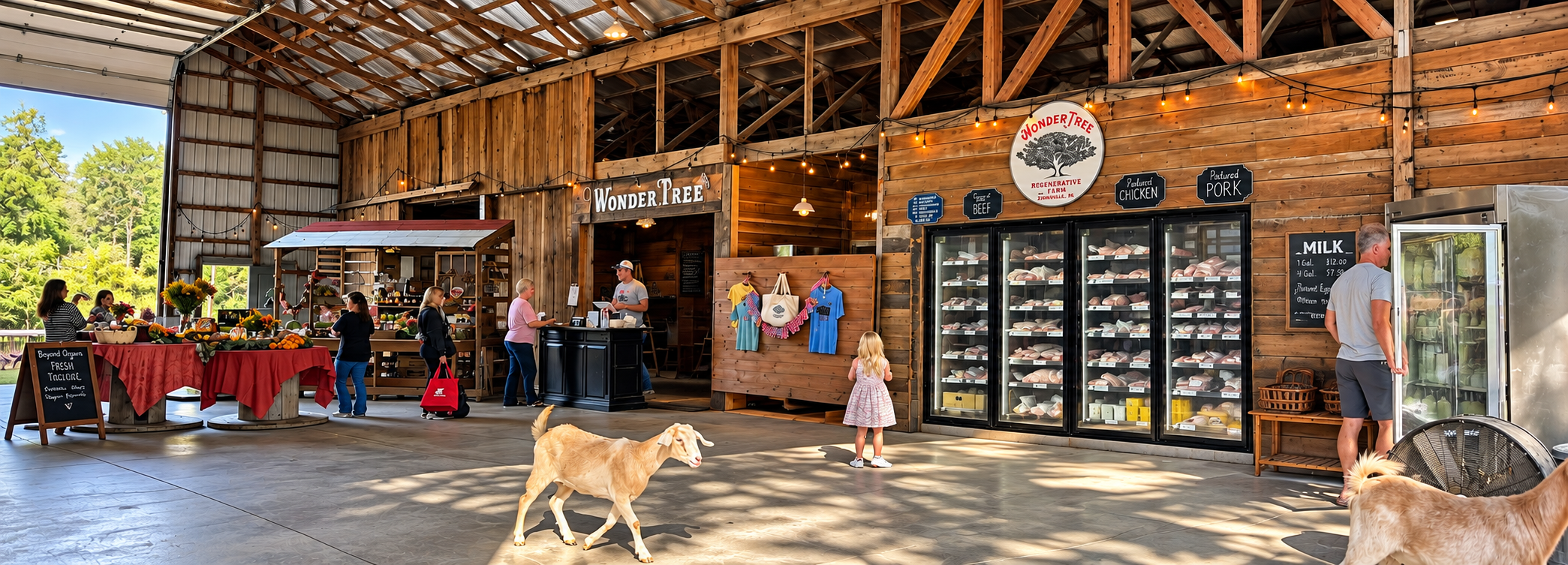
Hunter has created a real culture of togetherness and community at WonderTree. Behind the farm is a strong and loyal team of friends and family who support its story, and over time, I’ve gotten to know many of them quite well.
When I walk into the farm, it’s often:
“Whatever you need, Corris.”
I love that because it means I don't simply support this farm—the farm supports me and my work, too. Patronage goes both ways. There is a relationship here, and that relationship has become an important part of how I source.
When I arrive at WonderTree, I have my menu in hand. Chicken is generally straightforward: I can source breasts, whole chickens, drumsticks, wings and other cuts depending on what I'm preparing.
Beef requires a little more flexibility.
That's part of sourcing from a small farm. We are working with an animal and a harvest—not an endless commercial inventory—and sometimes what I planned to buy simply isn't what is available that week.
WonderTree offers a membership program for those who want a more consistent relationship with the farm's food. Explore WonderTree Membership →
My preferred approach is a little different. When a newly processed beef harvest becomes available, I buy in bulk. It gives me an opportunity to replenish my freezer, work with cuts I may not have planned for, refresh my menus and let the food itself inspire what I cook next.
Hunter has many responsibilities beyond the day-to-day operation of the farm store, so he isn't always the person behind the counter when I arrive. But his team knows the farm, they communicate with one another, and they take care of people.
If you need something, they've got you.
And WonderTree is more than meat. You'll also find farm staples such as eggs, butter and cream, depending on availability.
And one of my favorite additions: WonderTree has an all-volunteer community garden. During the growing season, that means you may also find a changing selection of freshly harvested vegetables available at the farm store.
What began for me as a place to source meat has become something much more valuable:
a farm relationship I can rely on.
Where to Find WonderTree
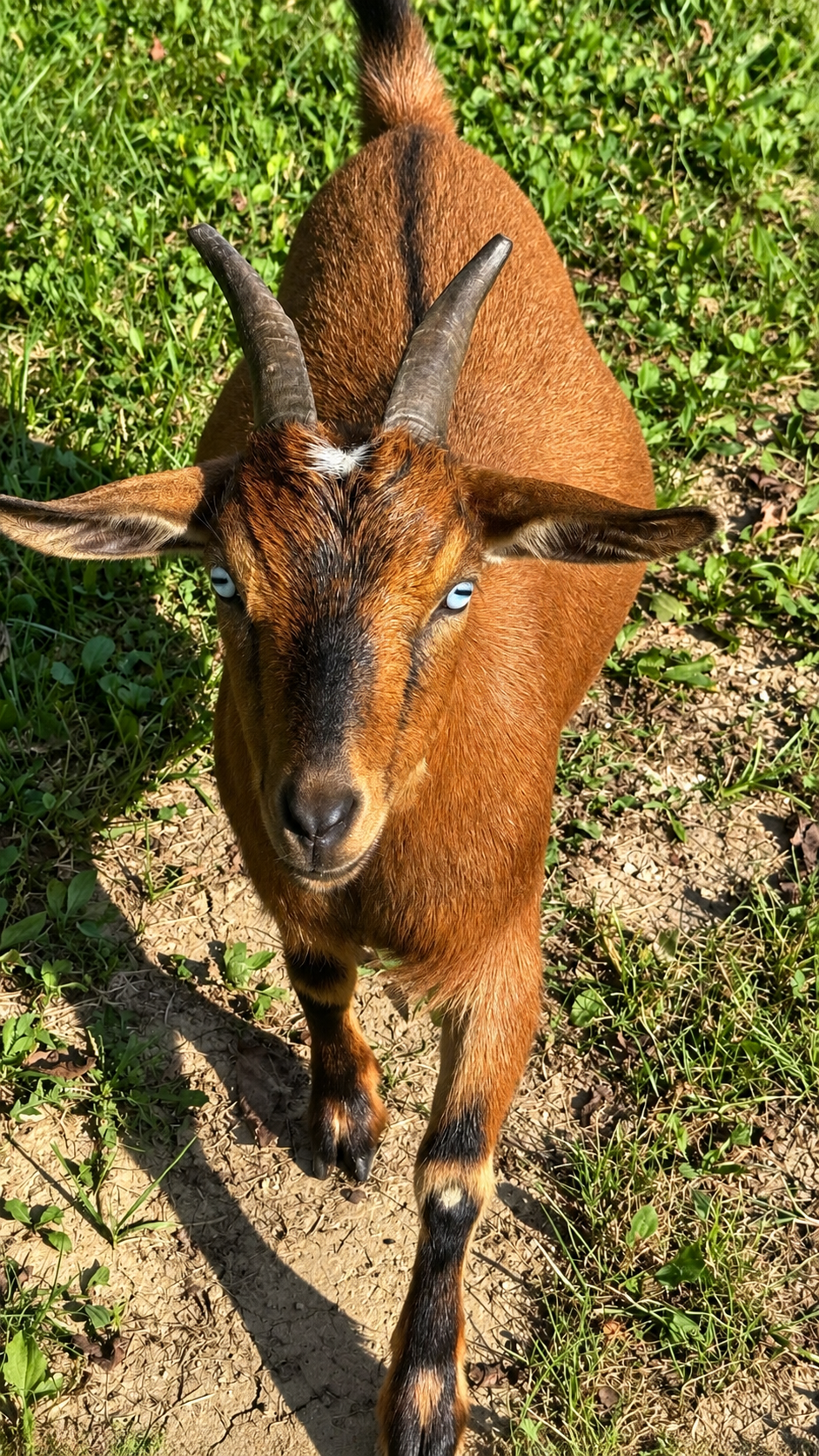
WonderTree Farm is located in Zionsville, Indiana. Visit the farm market to shop their meats, eggs, dairy and seasonal offerings—and experience the farm and the community behind the food for yourself.
WONDERTREE FARM MARKET
2280 S US 421
Zionsville, IN 46077
FARM MARKET HOURS
Tuesday · 10 AM–1 PM
Thursday · 3–6 PM
Friday · 10 AM–1 PM
Farm hours and availability may change seasonally. Check WonderTree's website before visiting.
Food is an anchor is consciousness.
The food we choose is part of the frequency we choose to live in.
WonderTree is one of the places I Choose Higher.
When you have a choice, Choose Higher.
~ Food Frequency